
March 3
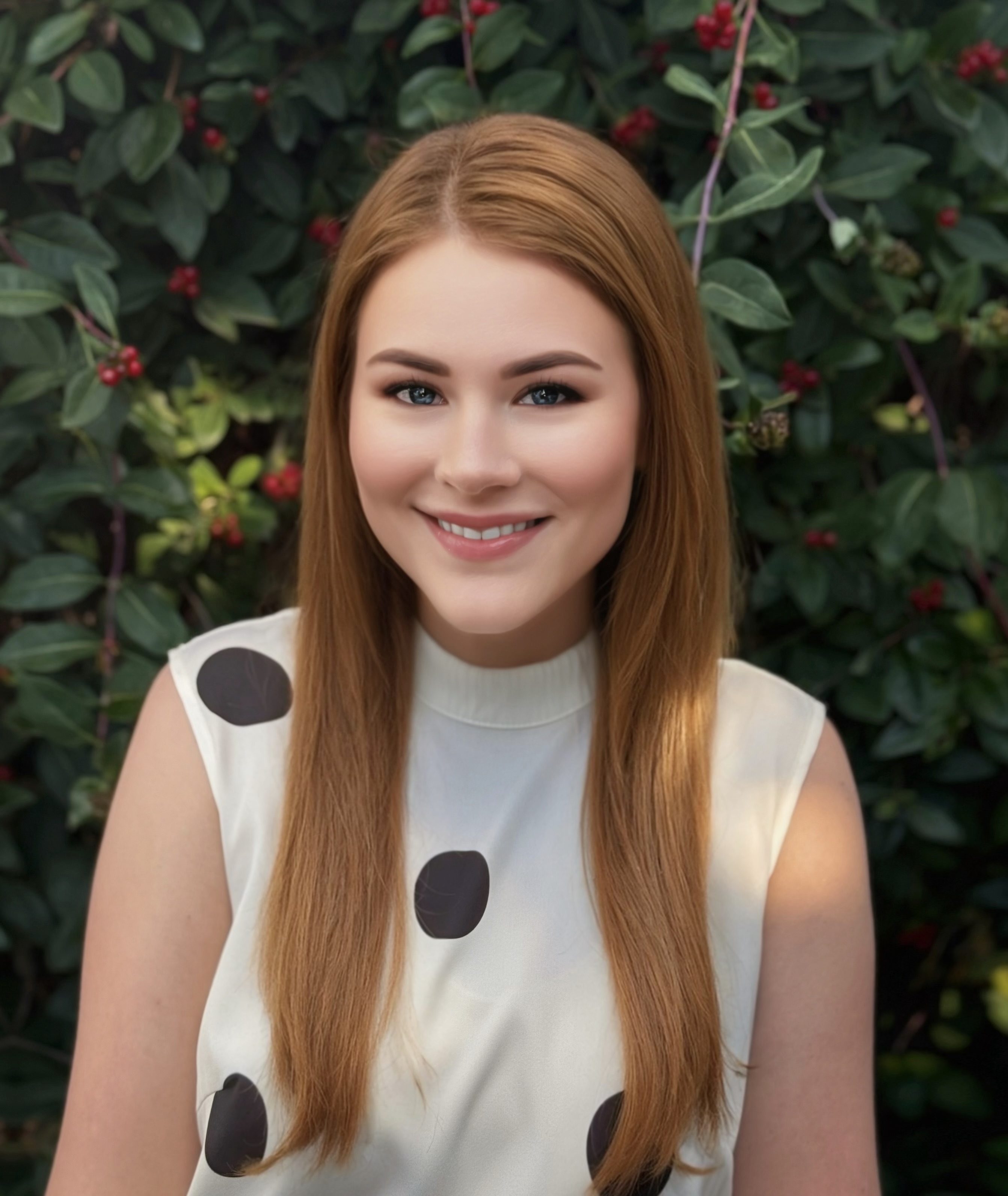
Emily Rose ‘21 has always loved helping others. North Shore Community College (NSCC) helped Rose take her passion to the next level by teaching her advanced skills, launching her professional career in the field of developmental disabilities.
She currently works as the career services director at Communitas, an organization that provides support, services, and programs for intellectually and developmentally disabled adults, which serves more than 1,000 families in the Wakefield, MA area.
Rose has overcome great challenges to build a fulfilling life for herself. Through her advocacy she works to make sure others can do the same.
Discovering Her Passion
Rose grew up in and out of the foster care system, and her unstable home life combined with struggling with undiagnosed, often ignored health problems meant that she was eager to gain independence. She graduated high school a year early, ready to move on to her next chapter.
Through the foster care system, she was able to attend a four-year college for free, but she soon hit a major roadblock. Though her tuition was free, she had to work to cover her living expenses, and classes were held in the middle of her workday.
During this time, Rose was working 70 to 90 hours a week while trying to manage her health—making a traditional, four-year college journey practically impossible. Instead, she changed gears and started taking one class at a time through NSCC.
She started a job as a personal care assistant for a young woman with special needs, and she loved it immediately. She began to pursue her associate in science in developmental disabilities, and through a recommendation from Professor Erinn Gilmore, she started working at a group home.
Here, she soon rose through the ranks, becoming interim assistant director, then assistant director, then program director. She found her passion, and she had the drive, curiosity, support and education to follow it.
How NSCC Set Her Up for Success
NSCC connected Rose with organizations, opportunities, and resources that she continues to value.
“North Shore really allows for so much growth and exploration. I was able to do things I couldn’t do in a less flexible setting—for example, service-learning. Service-learning is how I learned about many different organizations I'm still connected with today,” said Rose.
Service-learning, a teaching and learning method, encourages student learning, discernment, and persistence through experiential learning opportunities with non-profit community organizations.
Through NSCC, Rose discovered William James College, where she went on to receive her bachelor’s degree and where she is currently working on her master’s. The two colleges have an articulation agreement that ensures a smooth transfer of college credits, so Rose could transfer institutions with ease.
“North Shore Community College opened up so many different avenues. It also supported me when I couldn't buy food; there was a time where I couldn't afford groceries. I didn't qualify for food stamps, and I felt like there was no one I could ask for help, so I got to utilize the Campus Cupboard,” said Rose.
A Helping Hand
The College’s developmental disabilities degree program equips students with the skills they need for rewarding careers in a variety of settings. The program prepares students to enter positions such as direct support professional, residential support staff, and educational aide, and with further education, even more doors can open. Lightcast, a leader in global labor market analytics, predicts a 4% growth in developmental disabilities careers in the Boston area over the next six years.
In her position as career services director at Communitas, Rose helps people with developmental disabilities find meaningful employment in the community. Communitas meets people where they are, providing training and support on everything from fine motor skills to appropriate workplace communication. Group work settings help build confidence and self-advocacy, further preparing individuals for fulfilling jobs.
Rose is currently attending graduate school at William James College to become a board certified behavior analyst. Further education and her board certification will help her make an even bigger impact.
“Advocacy is a huge part of my life, between work, school, and even just personally. We have come such a long way, but we have a very long way to go,” said Rose.
It’s Rose’s ultimate goal to work on a systemic level, advocating for more accessible
systems and improving the quality of life for people with developmental disabilities,
including enhanced oversight and accountability at the state and federal levels.
Writing Her Own Story
Rose has always stood up for others, but her own journey has taught her the importance of self-advocacy.
Several years ago, Rose was juggling three jobs and working up to 90 hours a week to support herself, but she also experienced flare ups that could leave her barely able to get off the couch. She had always had health problems, but her doctors could never pinpoint the problem, and some even dismissed her concerns, telling her that it was all in her head.
During one of these flare ups, she finally decided she had had enough.
“It made me think: I'm advocating for these people with disabilities to get the right care, but here I am, not advocating for myself.”
Determined to get answers, Rose landed a referral to a geneticist in Boston. She discovered that she has not one but three conditions that affect her daily life: Ehlers-Danlos syndrome, postural orthostatic tachycardia syndrome, and mast cell activation syndrome. With this knowledge, she’s able to better manage her symptoms.
“I finally felt heard and validated and seen. I finally felt like I advocated for myself the way I've been showing up for other people,” said Rose. She uses her experience as a person with invisible disabilities to inform her leadership and advocacy.
By being open about the challenges she’s faced, she hopes to encourage others.
“I want people to know that you can come from nothing and still deserve everything.
So many people, especially women, are born into a situation and they think that that
is going to be forever. It's really important to know that your story is what you
decide—and it can be whatever the heck you want it to be.”
Learn more about NSCC’s associate in developmental disabilities program.